is leprosy genetically transmitted Leprosy: misunderstandings and stigma keep it alive (part 1)
People in many parts of the world continue to suffer from leprosy despite efforts to control and eradicate the disease. Leprosy is an infection caused by the bacterium Mycobacterium leprae, which primarily affects the skin, peripheral nerves, and the mucosa of the upper respiratory tract. The disease can lead to disfigurement and nerve damage, and can be very debilitating if left untreated. There is still much to learn about leprosy and ongoing research continues to expand our understanding of this ancient disease. An interesting recent discovery is an immunity gene that evolved in Southeast Asia to protect against leprosy. A study published in the journal Science showed that the gene, called RIPK1, is involved in the body’s immune response to the bacteria that cause leprosy. The researchers found that people with a genetic variant of RIPK1 are significantly less likely to develop leprosy than those without the variant. The study suggests that the RIPK1 gene may have evolved in response to the high prevalence of leprosy in certain parts of the world. While the discovery of the RIPK1 gene is an exciting development, the fight against leprosy is not limited to genetics research. There are many challenges in addressing the disease, including improving access to treatment and overcoming the social stigma associated with leprosy. Many people with leprosy are isolated from their communities due to fear and misunderstanding about the disease. This isolation can be devastating, leading to a loss of livelihood and social support. Efforts to control leprosy have been underway for many years with some success. The World Health Organization (WHO) launched a global campaign to eliminate leprosy as a public health problem in 1991, and since then, the number of cases has steadily declined. In 2019, there were 175,000 new cases reported worldwide, down from 5.2 million in the 1980s. Treatment for leprosy is effective and involves a combination of antibiotics. However, early diagnosis is crucial to prevent disability and reduce transmission of the disease. Early detection can be challenging as the symptoms of leprosy can be subtle and may take years to develop. In many cases, people with the disease may not seek treatment due to social stigma or lack of awareness of available treatments. In conclusion, leprosy remains a significant public health challenge in many parts of the world. While progress has been made in reducing the number of cases, efforts to address the disease must continue. Research into the genetics of leprosy and the body’s immune response to the disease may lead to new treatments and better outcomes for people affected by leprosy. In addition, improving access to diagnosis and treatment and reducing social stigma are essential components of any strategy to control and eliminate leprosy.
If you are looking for Leprosy: Misunderstandings and Stigma Keep it Alive (Part 1) | GFA you’ve visit to the right place. We have 5 Pictures about Leprosy: Misunderstandings and Stigma Keep it Alive (Part 1) | GFA like Leprosy Fact Sheet | Africa Health Organisation, Leprosy: Misunderstandings and Stigma Keep it Alive (Part 1) | GFA and also Leprosy Disease: Complication and Effectiveness of Multidrug Therapy. Read more:
Leprosy: Misunderstandings And Stigma Keep It Alive (Part 1) | GFA
 www.patheos.comleprosy stigma disease disfigurement physical alive misunderstandings keep caused known signs well most part
An Immunity Gene Evolved In Southeast Asia To Protect Against Leprosy
 medicalxpress.comleprosy leprae mycobacterium lepromatous tuberculoid cells causative acid fast outline nerve bacteria disease agents difference between asia ziehl immune writework
Leprosy Disease Causes, Symptoms, Diagnosis, Treatment And Cure
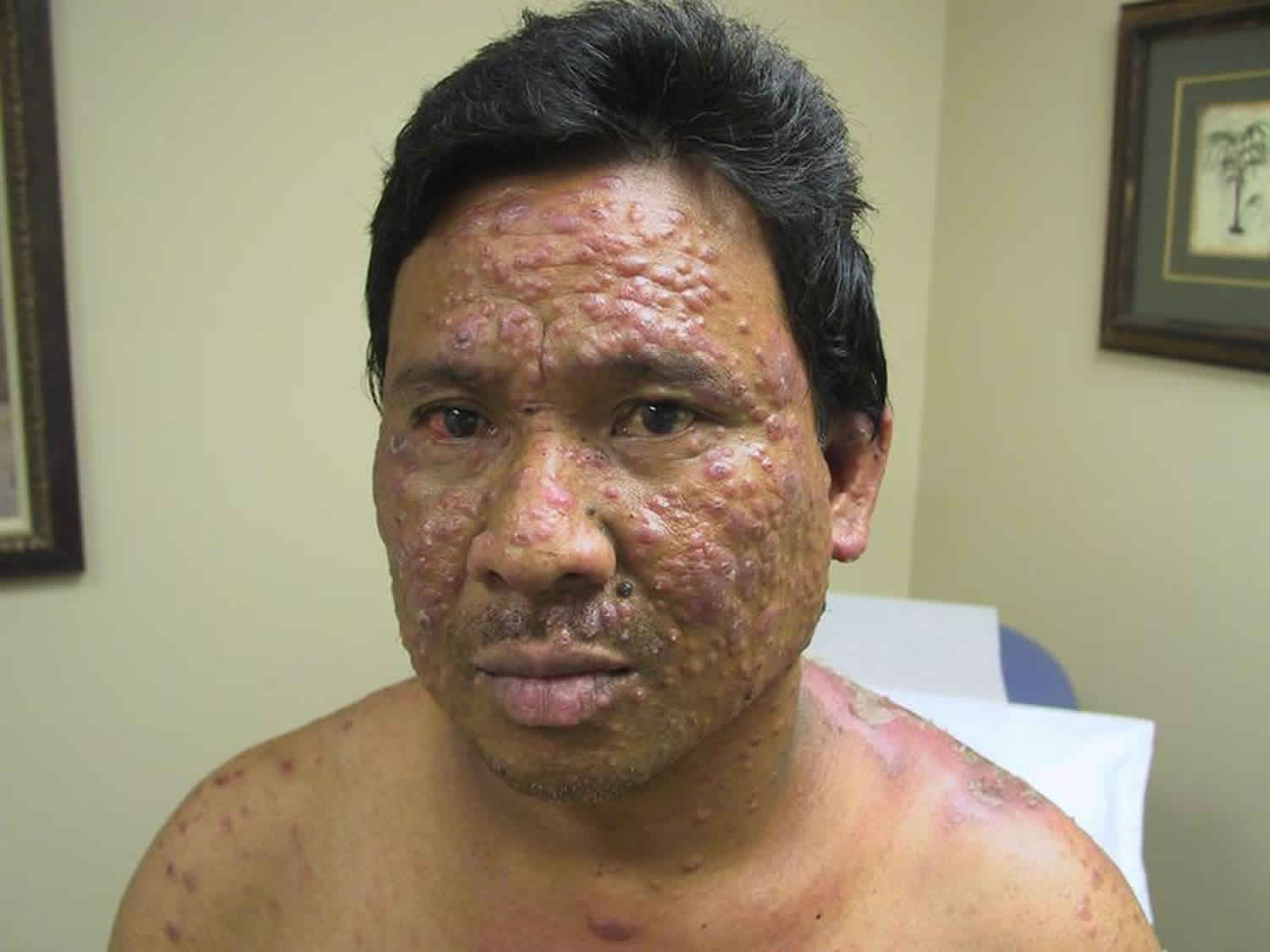 healthjade.comleprosy disease leprae mycobacterium lepromatous symptoms contagious cure leonine there causes infectious medbullets hansen facies treatment contents hand diagnosis nodular
Leprosy Disease: Complication And Effectiveness Of Multidrug Therapy
 nursingexercise.comleprosy multidrug effectiveness complications mdt complication
Leprosy Fact Sheet | Africa Health Organisation
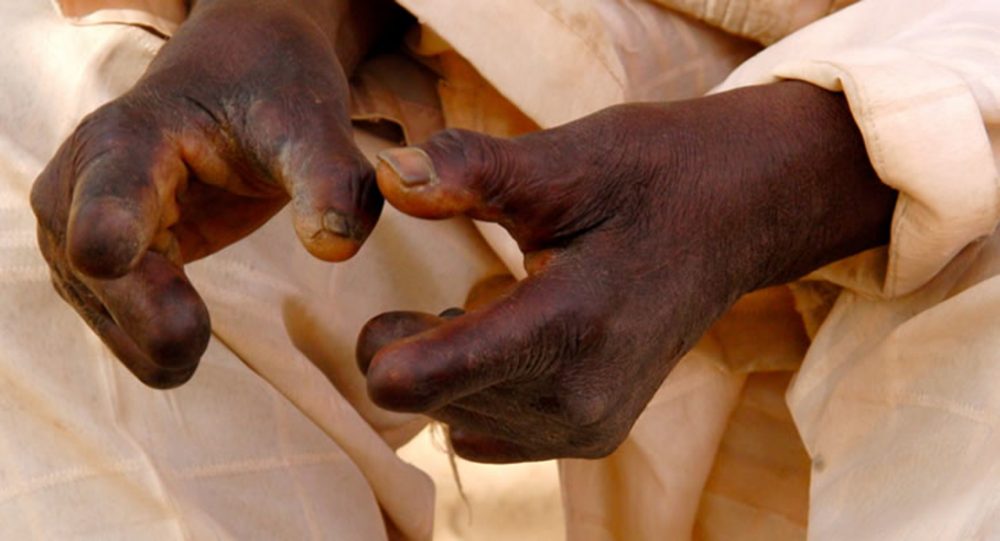 aho.orgleprosy leprae bacillus hansens chronic infectious mycobacterium acid ago
An immunity gene evolved in southeast asia to protect against leprosy. Leprosy multidrug effectiveness complications mdt complication. Leprosy fact sheet