is calcium chloride polar Cacl2 polar nonpolar chloride calcium non
Calcium chloride is a common food additive that is widely used in the food industry for various purposes. It is an inorganic compound with the chemical formula CaCl2 and is known by its E number E509. Calcium chloride is used as a firming agent, a stabilizer, and a flavor enhancer in many food products, including canned vegetables, dairy products, and pickles. But what is calcium chloride, exactly? Simply put, it is a salt composed of calcium and chlorine. It is produced by combining calcium hydroxide (also known as slaked lime) with hydrochloric acid. The resulting solution is then evaporated to yield calcium chloride crystals. One of the most common uses of calcium chloride in food is as a firming agent. When added to food products, it helps to maintain their structure and prevent them from becoming soft or mushy. This is particularly important for canned vegetables, which can lose their texture during the canning process. Calcium chloride is also used as a stabilizer in some food products, particularly dairy products. It helps to prevent proteins from breaking down, which can result in a grainy or gritty texture. Additionally, it can help to reduce the risk of spoilage by inhibiting the growth of bacteria and other harmful microorganisms. Another benefit of calcium chloride is that it can enhance the flavor of certain foods. This is particularly true for pickles, which are often made with a brine solution that contains calcium chloride. The addition of calcium chloride can help to improve the overall taste of the pickles by balancing their acidity and enhancing their savory flavor. While calcium chloride is considered safe for consumption in small quantities, it can be harmful in larger amounts. Ingesting large amounts of calcium chloride can lead to nausea, vomiting, and other gastrointestinal issues. Additionally, those with kidney problems or heart disease should be cautious about consuming foods that contain calcium chloride, as it can exacerbate these conditions. It is also worth noting that calcium chloride is not an organic compound, and therefore is not considered a natural ingredient in food. While it is generally recognized as safe by regulatory bodies such as the FDA, some consumers may prefer to avoid foods that contain synthetic additives like calcium chloride. In conclusion, calcium chloride is a versatile food additive that is widely used in the food industry for its firming, stabilizing, and flavor-enhancing properties. While it is generally safe for consumption in small quantities, it is important to be aware of its potential side effects and to consume it in moderation.
If you are looking for What is Calcium Chloride (E509) in food and its common uses? you’ve visit to the right web. We have 5 Pictures about What is Calcium Chloride (E509) in food and its common uses? like Is CaCl2 ( CALCIUM CHLORIDE ) polar or nonpolar, What is Calcium Chloride (E509) in food and its common uses? and also What is Calcium Chloride (E509) in food and its common uses?. Here you go:
What Is Calcium Chloride (E509) In Food And Its Common Uses?
 foodadditives.netcalcium chloride cacl2 calciumchlorid kristallstruktur cloruro e509 cacl struktur kalsium klorida kristal chromu chlorek chimicamo esercizi idratazione calore dichloride bisakimia
Solved Match The Bonding Type With The Compound Or Element. | Chegg.com
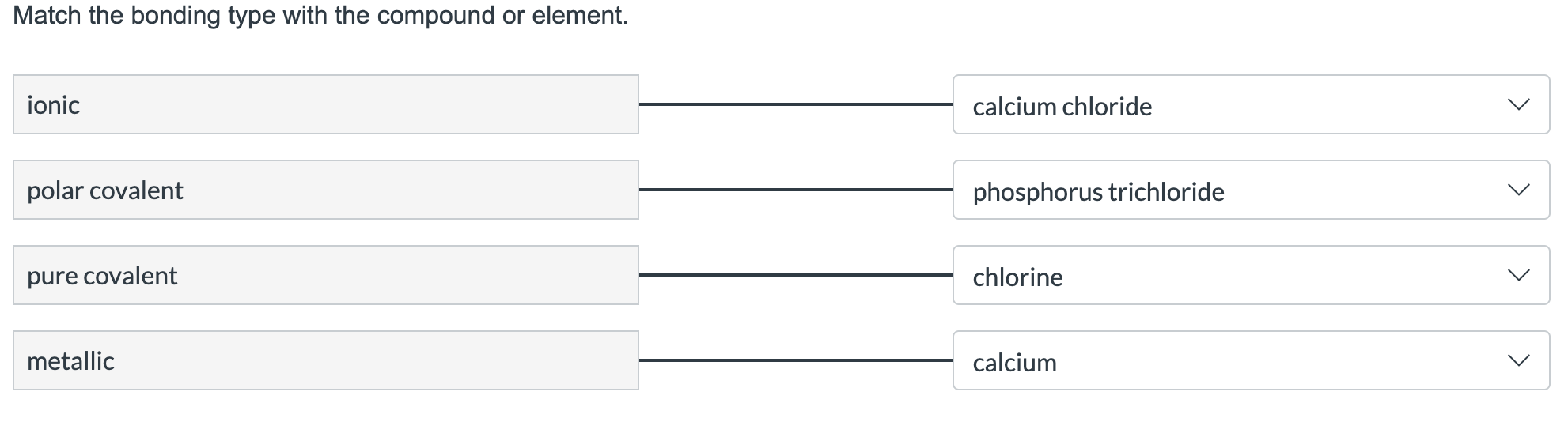 www.chegg.combonding compound match type covalent calcium polar phosphorus ionic chloride element transcribed text show trichloride pure
Calcium Chloride - CaCl2 - Careers Today
 www.careerstoday.inchloride calcium cacl
Is CaCl2 ( CALCIUM CHLORIDE ) Polar Or Nonpolar
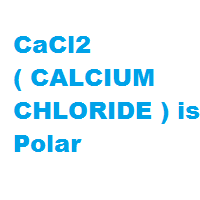 www.bengislife.comcacl2 polar nonpolar chloride calcium non
Calcium Chloride - Shanghai Chemex Group Ltd.
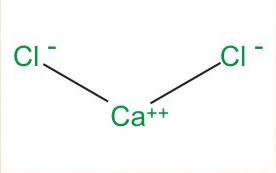 shanghaichemex.comcalcium chloride
What is calcium chloride (e509) in food and its common uses?. Calcium chloride cacl2 calciumchlorid kristallstruktur cloruro e509 cacl struktur kalsium klorida kristal chromu chlorek chimicamo esercizi idratazione calore dichloride bisakimia. Calcium chloride